






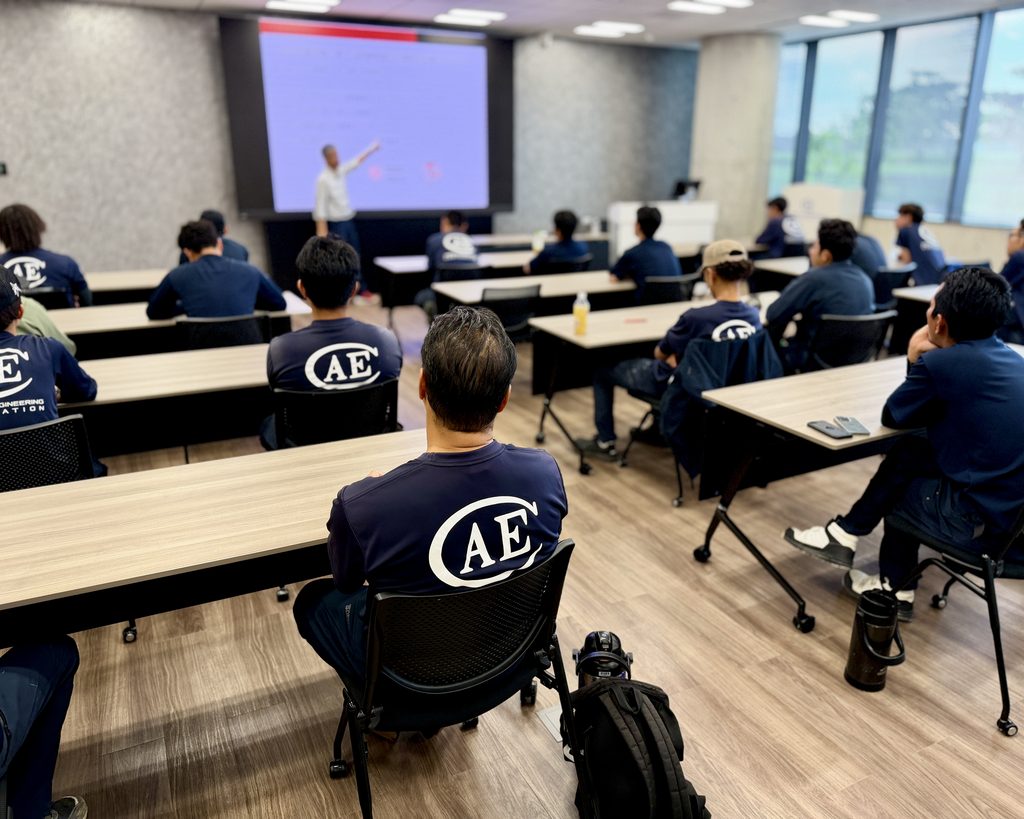
With support from Hilti Japan, AEC recently held a fire protection training session featuring hands-on demonstrations with firestop materials.
Participants began by learning the fundamentals of fire protection in a classroom setting. They then examined the materials firsthand to better understand their properties, applications, and role in building safety.
The training reinforced an important principle: effective fire protection is not limited to containing flames. It must also help limit the spread of smoke and toxic gases.
Understanding the Risks of Smoke
When people think of a fire, flames may be the first thing that comes to mind.
However, smoke also poses a serious risk to occupant safety. Smoke from a fire may contain hazardous gases, including carbon monoxide. Exposure to carbon monoxide can impair consciousness and breathing, making it critical to avoid inhaling smoke and evacuate as quickly as possible.
As smoke spreads through a building, it can also reduce visibility and make evacuation more difficult. For this reason, an effective fire protection strategy must address not only visible flames but also the movement of smoke and toxic gases.
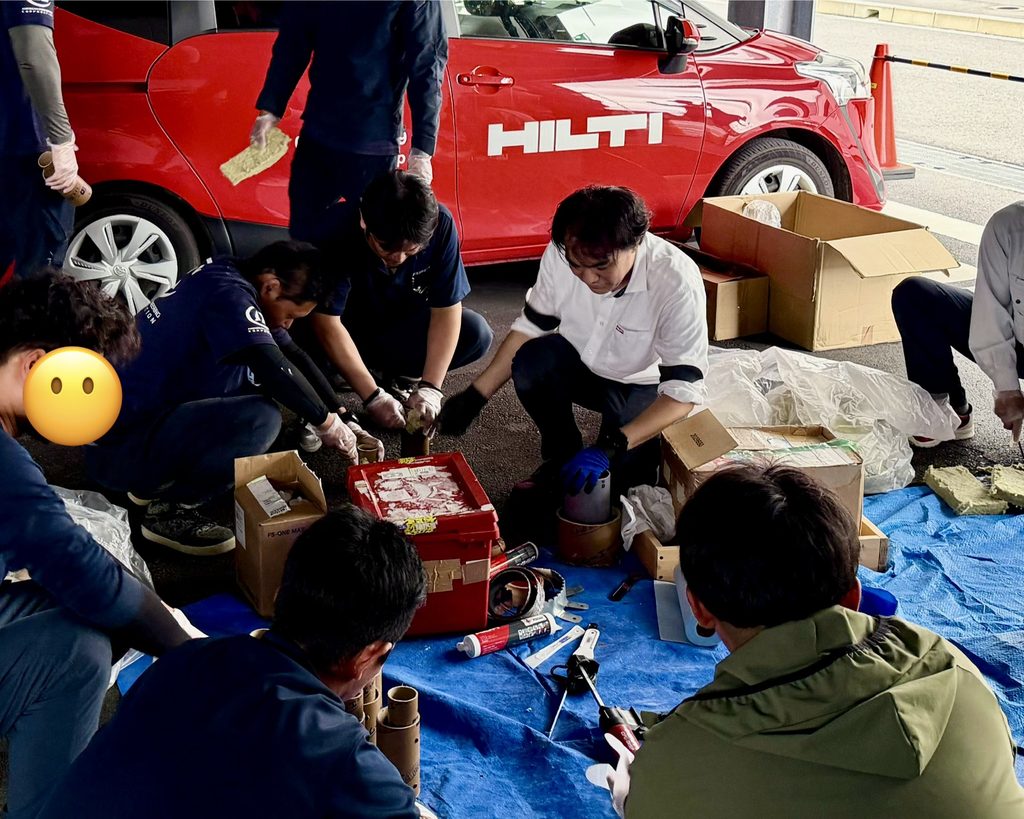
Learning Through Hands-On Experience
In addition to classroom instruction, the training included demonstrations using actual firestop materials.
Participants handled the products, examined their shapes and characteristics, and learned how and why they are used.
Concepts that can be difficult to understand through documents or verbal explanations alone became clearer through direct, hands-on experience.
The session gave participants an opportunity to learn what each material is designed to do and to consider why proper design and installation are essential.
One participant, an AEC employee who joined the company 11 months ago, had previously worked with a fire protection coating material.
During the training, the employee handled the materials firsthand and gained a renewed appreciation for the careful work and detailed checks required during installation.
The employee also recognized that using these materials correctly requires both proper knowledge and adherence to established procedures, and plans to apply the lessons learned to future site inspections and daily responsibilities.
Each firestop material has a specific purpose and defined conditions for use.
The training strengthened participants’ understanding of the importance of knowing each product’s characteristics and intended application, as well as following the applicable product specifications and installation instructions.

Looking Beyond the Materials to Protect People
In construction and engineering, learning about materials and installation methods is only part of the job. It is equally important to understand the purpose behind technology.
This training provided practical knowledge of firestop materials while encouraging participants to consider the risks that may arise inside a building during a fire.
Containing flames is essential, but so is limiting the spread of smoke and toxic gases. Even in areas that building occupants may never see, specialized materials, careful installation, and sound engineering practices all contribute to occupant safety.
AEC will continue to provide opportunities for employees to learn from external specialists and gain practical experience, applying each new insight to safer, higher-quality work.


